"Not sure where to start safely" is the second biggest reason people give us for not having started already, just behind life getting in the way. Whether the gap is two years, twenty, an operation or a bad patch, the way back is the same, and the first rule is the one almost everyone breaks.
Do not start where you left off
The body you have today is not the one that stopped. Starting at the old level is how people pull something in week one and confirm every fear they had about exercise. Start lower than you think you should, low enough that the first session feels slightly too easy, and add a little each week. The first fortnight is for finding your level, not proving anything. Six weeks of adding a little gets you further than any heroic first session.
Who should check first
If you have had an operation in the last few months, follow your surgeon's or physiotherapist's timeline and tell your coach where you are in it. If you have a heart condition, high blood pressure that is not yet controlled, or a new symptom that has not been looked at, see your GP before you start. For most people the GP's answer is "yes, please do", and NHS advice is that some activity is better than none at whatever level you can manage. Our guide to exercise after surgery covers the recovery timelines in detail.
What safe actually looks like
- Measured on day one. How many chair rises in 30 seconds, how long you can hold a weight, how far you walk in two minutes. The loads are chosen from your numbers, not from a chart.
- Taught, not thrown in. Every movement is shown, then done with a coach watching, then loaded. Nothing is assumed from what you used to be able to do.
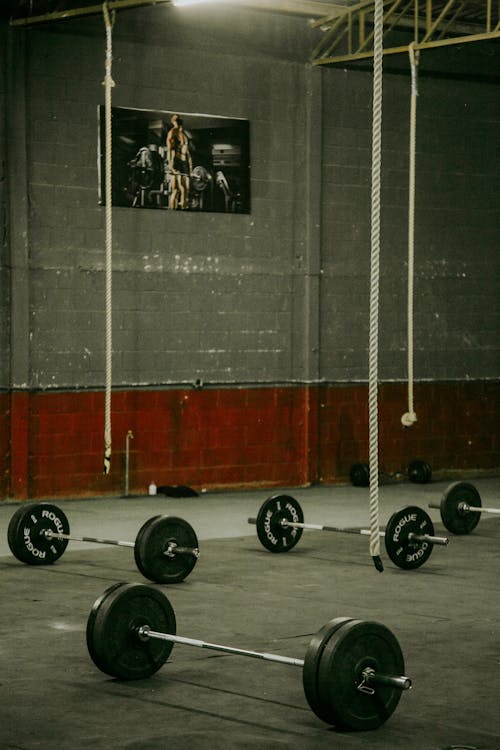
- A small room. Never more than eight people to a coach, so there is always someone watching the movement, not just the clock.
- Adjusted around you. A dodgy shoulder does a different push; a sore knee squats to a higher box. Nobody sits out.
The other two reasons people stop
One in five people tell us they feel embarrassed, and one in four that gyms feel intimidating or just wrong for them. A room with no mirrors, no lycra and nobody under 50 removes most of that on the first morning. And "tried before, didn't stick" is usually a scheduling problem: fixed session times, a coach expecting you, and 18 sessions over six weeks that you have already booked make it much harder to drift off than a gym membership does.
Our guide to starting strength training over 50 covers the first month, and the common mistakes over 50 is worth five minutes before your first session.
Frequently asked questions
I have not exercised in twenty years. Is that a problem?
No. It means the starting level is low and the improvement will be fast, because you have the most to gain. Everyone in the room started somewhere.
How soon after an operation can I train?
When your surgeon or physiotherapist says so, and we work alongside their plan rather than replacing it. Many people come to us at the end of physio, when the exercises have run out but the strength has not fully come back.
What if I cannot do something?
Then you do the version you can, and that version gets harder as you get stronger. There is a version of every movement for every starting point.
References
- NHS. Physical activity guidelines. nhs.uk
- NHS. Benefits of exercise. nhs.uk
- NHS. Strength and flexibility exercises. nhs.uk