"Lose weight" is the second most common thing people ask us for, after getting stronger, and it is the one where most plans quietly fail after 50. Not because people lack willpower. Because the plans leave out half the job.
What a diet on its own does after 50
Eat less and move about the same, and you lose weight. Some of it is fat. After 50, a surprising share of it is muscle, because your body sheds whatever it is not being asked to keep. Less muscle means you burn a little less at rest, feel a little weaker, do a little less, and the weight creeps back, often with a bit less muscle than you had before. Most people who have "lost the same stone three times" know this pattern from the inside.
The half most plans leave out
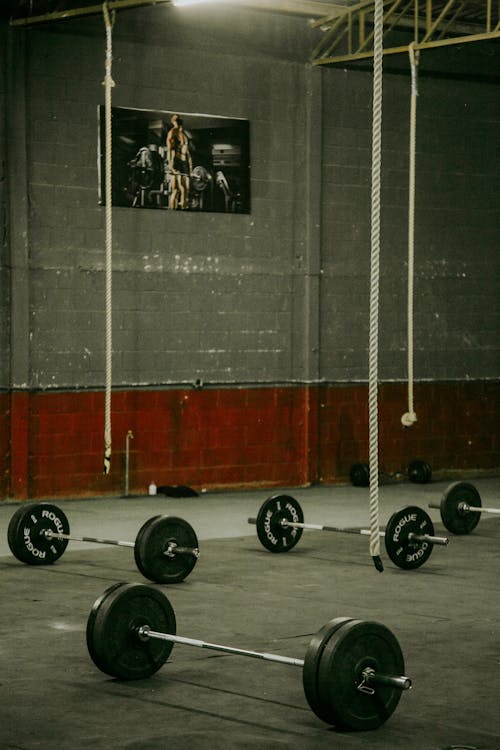
Strength training does not burn many calories in the session. That is not its job. Its job is to tell your body that the muscle is needed, so that when you eat a little less, the weight you lose is fat and the muscle stays. The result is the thing people actually want when they say "lose weight": clothes that fit differently, a shape that changes, feeling fitter and stronger rather than just lighter. Two strength sessions a week is enough, alongside eating a bit less and walking a bit more.
Protein helps the muscle stay, and most people over 50 eat less of it than they think. Our guide to protein and muscle after 50 has the practical amounts.
Measure the right thing
- The scales, weekly, same day and time. Expect them to move slowly, and to stall some weeks while the belt still loosens.
- A tape measure round your middle. This is the number that tracks fat.
- A strength number. Chair rises in 30 seconds, or the weight you carry in each hand. If this goes up while the tape goes down, the plan is working, whatever the scales say that week.
What is honest to expect
Half a pound to a pound a week, most weeks, is the pace that lasts. Faster than that usually means muscle is going too. Six weeks is long enough to see the shape change and to have a routine you can keep, which matters more than any number on the scales.
If you have a medical condition, take medication that affects your weight, or have been told by your GP that your numbers need to change, tell your coach on day one and keep your GP in the loop.
Frequently asked questions
Will strength training make me bulky?
No. Two sessions a week makes you firmer and stronger, not bigger. Building visible bulk takes years of deliberate effort, and it is not what happens by accident in your fifties or sixties.
Should I not just do more cardio?
Walking is excellent and you should keep it. On its own it does not tell your body to keep muscle, so the weight you lose is a mix of fat and muscle. Walk, and lift, and the weight that goes is fat. Our walking for fitness guide shows how to get more from the walks you already do.
The scales went up after my first week. What happened?
Muscles hold a little extra water for a week or two when they start training. It settles. Watch the tape measure and the strength number that week instead.
References
- NHS. Managing your weight. nhs.uk
- NHS. Physical activity guidelines. nhs.uk
- NHS. Strength and flexibility exercises. nhs.uk