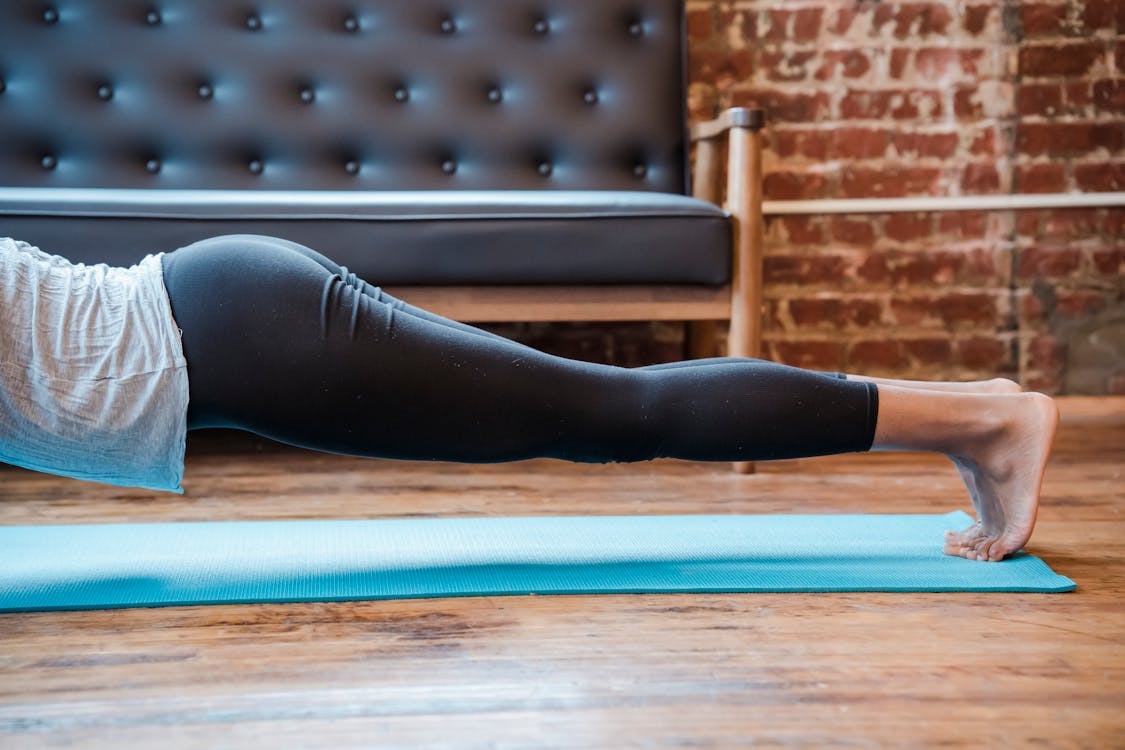
"Move without stiffness or pain" is the goal people choose most after "feel stronger" when they get in touch, and the two are more closely linked than they look. The stiff back in the morning, the shoulder that catches, the hips that need a minute after the car: most of it responds to the right amount of load, and very little of it responds to rest.
Why rest makes stiff things stiffer
Joints are fed by movement. The cartilage in a knee or a hip has no blood supply of its own; it takes on nutrients when the joint is loaded and let go, like a sponge being squeezed. Muscles that are not used shorten and lose their tolerance for work, so the next time they are asked to do something they complain sooner. Rest feels like the safe choice, and for a week after an injury it often is. Beyond that, it usually means more stiffness, not less.
Load is a medicine with a dose
The right amount of load makes tissue more tolerant: a muscle that is asked to do slightly more than last time, and rested, comes back able to do more. Too much and it flares; too little and nothing changes. So training with pain is not about pushing through. It is about finding the dose that is enough to build tolerance and not so much that tomorrow is worse, and then nudging it up.
A common physiotherapy rule of thumb: an ache of three or four out of ten during a session, which settles by the next morning, is acceptable and often useful. Pain that climbs as the session goes on, or that is clearly worse the next day, means that dose was too high, and the next session is lighter or shorter, not cancelled.
What a session looks like
- Ten minutes of range first. The stiff areas are moved gently through their full range before anything is loaded.
- Strength in the movements that hurt. A sore back does hinges, taught properly and light; stiff hips do squats to a box; a catching shoulder does rows and pushes within the range it has today.
- A little more next week. The load, the range or the repetitions go up by a small amount, and the tolerance goes with them.
Our guide to gentle movement for chronic pain covers the days when even this is too much, and morning stiffness stretches covers the first hour of the day.
When to see your GP first
Pain with numbness, tingling or weakness in a leg or arm, pain that wakes you and does not settle, pain after an injury, or pain alongside feeling unwell or losing weight without trying, all need a GP before a gym. For most everyday stiffness and ache, NHS advice is to stay active, and a coached room is a good place to do that.
Frequently asked questions
Will strength training make my pain worse?
Dosed properly, it usually does the opposite, because stronger muscle takes load off the sore part. If a movement makes it worse, the movement changes, not your attendance.
Should I stretch more instead?
Stretching helps the first ten minutes of the morning. Strength through a full range is what makes the stiffness stop coming back, because a muscle that is strong at its full length stays long.
How long until I feel a difference?
Most people feel less morning stiffness within two to three weeks and move more freely by six. The pain that has been there for years takes longer, and it still moves.
References
- NHS. Back pain. nhs.uk
- NHS. Living with osteoarthritis. nhs.uk
- NHS. Strength and flexibility exercises. nhs.uk