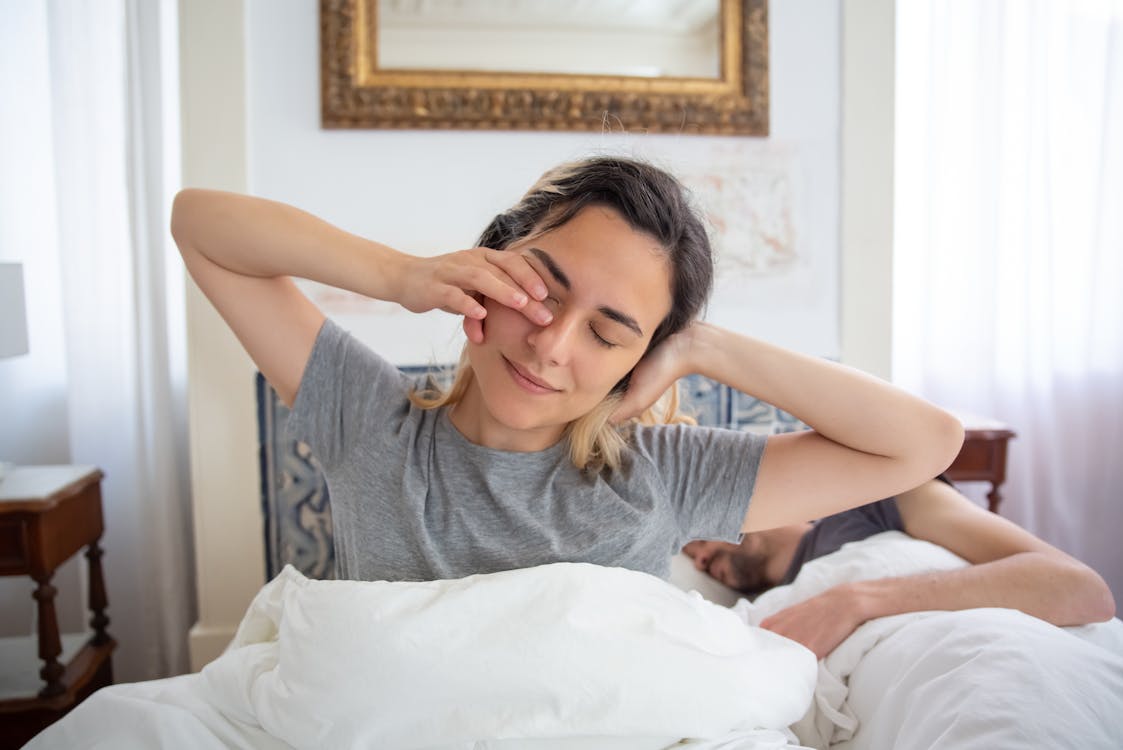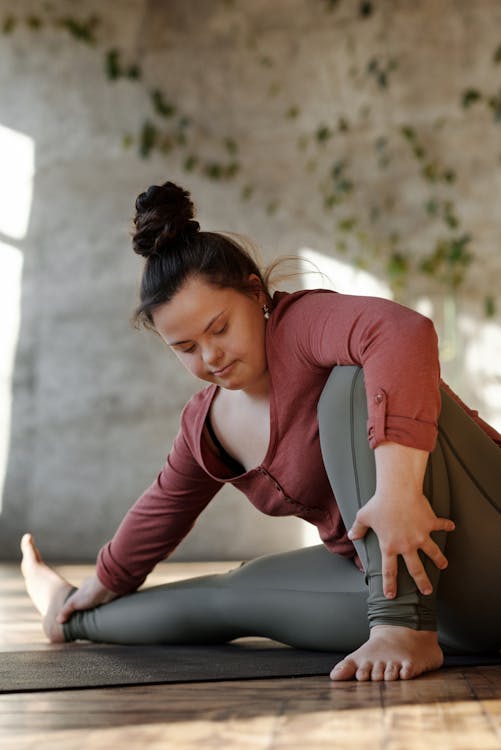
Most people with arthritis have been told to keep moving and have no idea what that means on a Tuesday morning when the knee is stiff and the hands ache. This is the practical version: what to do on a stiff day, what to do on a good one, and how to tell the difference between the two kinds of sore.
First, which arthritis
Osteoarthritis, the common wear-and-repair kind in knees, hips, hands and spine, responds well to strength training, and the NHS lists exercise as one of the most important treatments for it. If you have rheumatoid or another inflammatory arthritis, the same is broadly true, but your rheumatology team's advice comes first, especially during a flare. Tell your coach which you have.
Why load helps a joint that hurts
A stiff, sore joint tempts you to protect it, and protecting it shrinks the muscle around it, so the joint ends up with less support and more of the load. Strength training reverses that arrangement: stronger muscles absorb force before it reaches the joint, and the joint moves through its range more often, which is what keeps it moving at all. The load has to be dosed, which is the whole skill.
On a stiff day
- Still turn up. A stiff joint gets stiffer with a day on the sofa.
- Move it before you load it. Five minutes of easy range: knee bends holding the counter, shoulder circles, opening and closing the hands.
- Lighter and shorter. Same movements, half the weight, fewer repetitions. The point is to keep the joint in the habit of moving, not to set a record.
- Warmth helps. A warm shower before, or a warm room, makes a real difference to the first ten minutes.
On a good day
Add a little: one more repetition, a slightly heavier weight, a deeper squat to a lower box. Good days are where strength is built, and they arrive more often once the muscle around the joint has something to give. Our practical guide to exercise and arthritis has a full week's plan, and morning stiffness stretches covers the first hour of the day.
The two kinds of sore
Muscle soreness a day or two after training is a dull ache in the muscle itself and fades on its own. Joint pain that climbs during a session, or a joint that is noticeably worse the next morning, means that day's dose was too high, so the next one is lighter. A common physiotherapy rule is that an ache of three or four out of ten that settles by the next day is fine. A joint that is hot, swollen or red, or a sudden change, is a GP conversation before the next session.
Frequently asked questions
Will weights make my arthritis worse?
Appropriate strength training is part of NHS advice for osteoarthritis, not something it warns against. What makes joints worse is sudden big loads, twisting under weight, and doing nothing. A coach removes the first two.
What about my hands?
Grip is trainable like anything else. We use handles and thick grips that suit sore fingers, and carries with a weight that your hands can hold comfortably, increased slowly.
Should I train during a flare?
For an inflammatory flare, follow your rheumatology team's advice, which is often gentle range of movement only. For an osteoarthritis bad patch, train light and short rather than stopping.
References
- NHS. Osteoarthritis. nhs.uk
- NHS. Living with osteoarthritis. nhs.uk
- NHS. Arthritis. nhs.uk